September 17, 2024 by Dr. Dan Richardson
Matthew 19:13–15
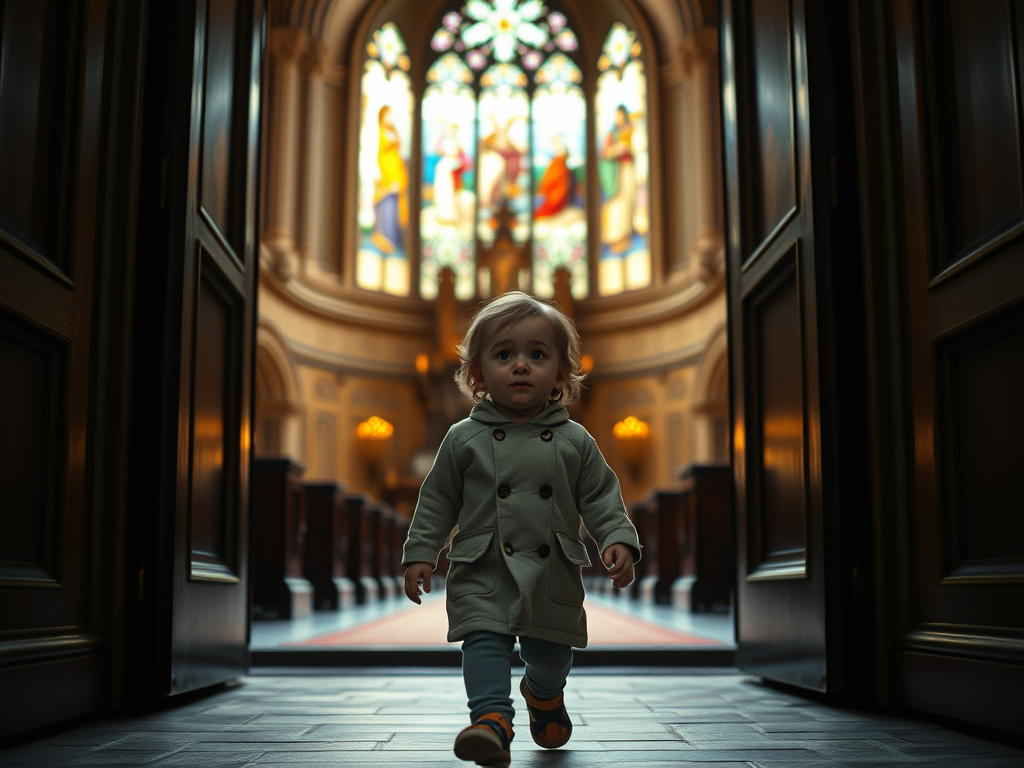
In addition to the five discourses of Jesus, Matthew records several teachable moments during travel and daily conversations. One such was a time when several families brought their children to Jesus to receive a blessing. Following the normal ideas of the day, the disciples tried to keep Jesus from being bothered by children. Children were generally thought of as unimportant at best, and a nuisance at worst. Jesus, no stranger to reversing cultural conditioning, rebuked the disciples and blessed the children.
The short lesson to the disciples shows us three important truths:
- Children are important. They are important to Jesus and they are important to us. This should affect the way we think about all children, not just our own. Most of the Christians in the world came to Jesus as children. Many were raised in a Christian home. Others were introduced to the gospel through evangelistic ministries of a church, such as Sunday School or Vacation Bible School. Some were invited by Christian friends to events where they could learn about Jesus. These ministries are important because children are important.
- Children can come to Jesus. We are not told how old these children were, nor are we told whether or not the children blessed by Jesus demonstrated saving faith at that point. Since we are not told that detail, we don’t need to know that detail. Although children at different developmental levels will grasp different levels of spiritual concepts, every child came come to Jesus. If a toddler who thinks very concretely can learn that Jesus is a person and that Jesus loves them, they can come to Jesus. If a teenager who is beginning to think deeper abstract thoughts can understand that Jesus was in the beginning with the Father and that He gave His life for them, they can come to Jesus. Personally, I am glad that there is no standardized test given as an entrance exam for me to become a Christian.
- Coming to Jesus requires the attitude of a child. This speaks to “child-like-ness,” not “child-ish-ness.” When adults come to Jesus, they have to adopt the faith and dependence on Jesus as a child who trusts and depends upon their parents.
This episode does not teach the necessity of infant baptism, though it has been used to justify the practice. Neither does it teach the necessity of a “baby dedication” ceremony. If anything, it shows the necessity of touch. Jesus blessed the children with His touch.
In my years of ministry, I have weathered several distractions in worship, everything from candles catching flower arrangements on fire, water pipes bursting, sound systems picking up CB radios, and my own children holding my leg during an invitation. Children aren’t a bother, they are a blessing. We should bless them in church as they bless us by being there.
Some object that children cannot understand everything. I would venture to suggest that most people in the congregation don’t understand everything. That includes the preacher. But they understand something. So, I will simply echo the sentiment of my Lord and say, “Let the children come.”


Leave a comment